Max Elevators: Premier Lift Manufacturer in Faridabad for Factories & Warehouses
Faridabad buzzes with factories and warehouses that keep India's manufacturing engine running. You run one of these operations, and you know vertical movement of goods isn't optional—it's the backbone of your daily output. Max Elevators steps in as the go-to lift manufacturer in Faridabad for factories and warehouses, building systems that handle heavy loads without a hitch.
Outdated lifts cause real headaches. They break down during peak hours, slow down your teams, and worst of all, put workers at risk. Pick the wrong manufacturer, and you're stuck with constant repairs and lost time. Max Elevators changes that by focusing on durable, tailored solutions that fit your industrial needs right from the start.
Why Industrial Vertical Transport Demands Specialized Engineering
Industrial settings push lifts harder than any office building ever could. Factories move tons of raw materials daily, while warehouses stack inventory floor to ceiling. You need gear that's built to last under that pressure, not just look good.
Understanding Factory and Warehouse Load Requirements
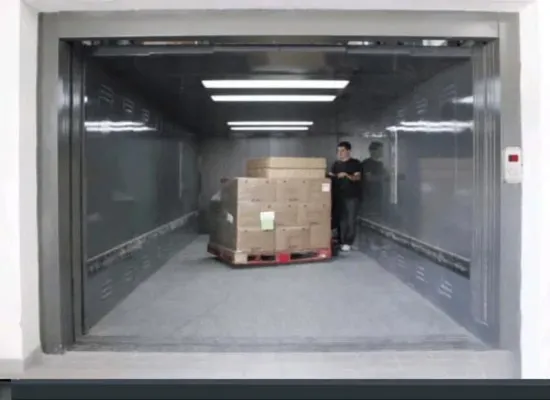
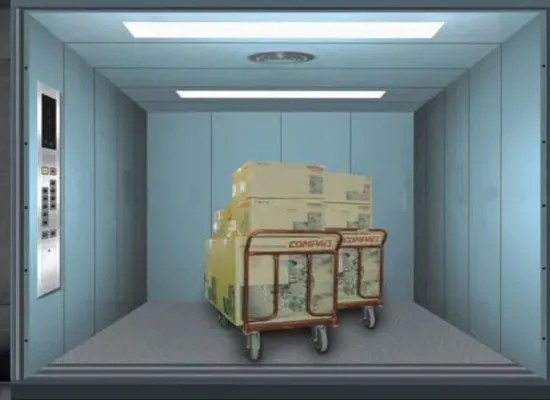
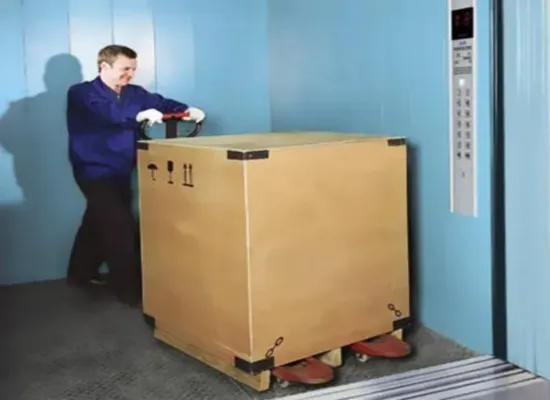
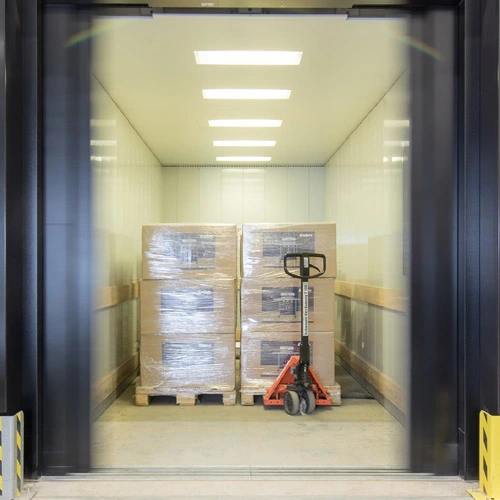
Factory lifts often carry pallets stacked with steel parts or chemicals, sometimes up to 5 tons per trip. Warehouses deal with similar weights but add in faster cycles for order fulfillment. Max Elevators designs their industrial lifts to match these demands, with capacities from 1 to 10 tons and speeds that keep pace with your workflow.
These systems beat standard elevators hands down. Commercial ones top out at 1,000 kg and slow speeds for people traffic. Industrial versions use thicker cables and motors tuned for constant use, ensuring your materials arrive intact every time.
Safety and Compliance: Non-Negotiable Standards for Industrial Lifts
Safety tops the list in any factory setup. Indian standards like IS 14665 set the rules for lift design, covering everything from overload protection to fire resistance. Max Elevators builds every unit to exceed these codes, so you avoid fines and accidents.
Their lifts include load sensors that stop operations if weight goes over limits. Emergency brakes kick in fast during power dips, and doors lock tight to prevent falls. You get peace of mind knowing your team moves goods without constant worry.
Maximizing Operational Efficiency Through Optimized Lift Design
Busy factories can't afford wait times. Smart controls in Max Elevators' designs group multiple lifts to handle peak traffic, cutting delays by up to 30% in high-volume spots. Priority calls let urgent loads jump the queue, keeping your lines moving.
Layout matters too. These lifts fit tight spaces with shallow pits and low overhead needs, perfect for older warehouses. Door setups open wide for forklifts, and some tie into conveyors for seamless flow from floor to floor.
Comprehensive Industrial Lift Solutions Offered by Max Elevators
Max Elevators offers a full lineup of lifts tailored for heavy industry. You pick from stock models or tweak them to fit your space. Each one prioritizes strength and reliability to boost your operations.
Heavy-Duty Goods Lifts (Material Handling Focus)
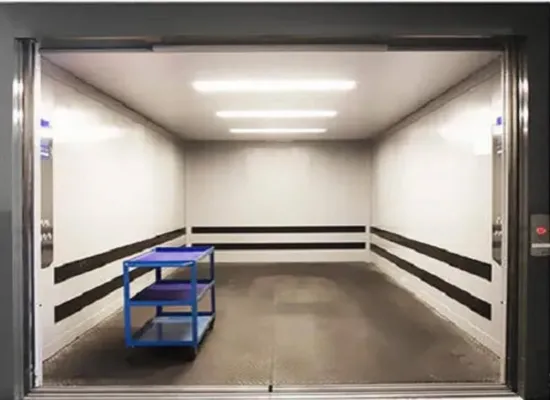
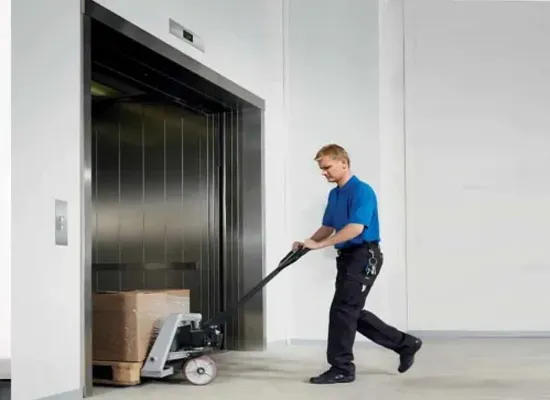
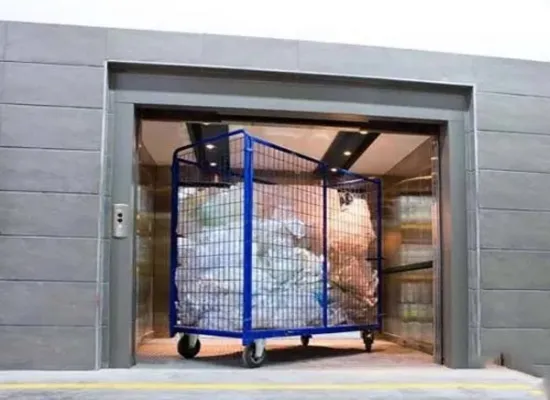
Goods lifts from Max handle everyday warehouse tasks like shifting boxes or crates between levels. They suit buildings up to 10 stories, with platforms that take rough treatment from daily use. Ideal for inventory spots where you move 50 loads a shift without strain.
Built with 6mm-thick steel frames, these lifts shrug off dents from accidental bumps. Reinforced floors support uneven loads, like machinery bases or stacked pallets. You install one, and it pays off in smoother material flow right away.
- Capacity options: 2-5 tons standard, scalable higher.
- Speed: 0.5 m/s for quick turns in mid-rise factories.
- Applications: General stock movement in auto parts plants or textile mills.
Hydraulic vs. Traction Elevators for Industrial Applications
Hydraulic lifts shine in low-rise warehouses under 20 meters. They lift heavy loads with less machinery, using fluid power that's quiet and steady. Max Elevators recommends them for spots with tight budgets, as they cost less upfront and need oil checks only twice a year.
Traction systems work best for taller factories over 20 meters. They use ropes and counterweights for faster speeds up to 1 m/s, ideal for multi-floor operations. Energy-wise, they run on electricity alone, saving on fuel in green-focused plants.
Maintenance differs by type. Hydraulics demand fluid top-ups but fewer moving parts overall. Traction needs regular rope inspections, yet both from Max come with easy-access panels to cut service time.
Customized Solutions for Unique Factory Environments
Every factory has quirks, like chemical plants needing corrosion-resistant coatings. Max Elevators crafts lifts for those, using stainless steel cabs that resist acids in pharma setups. For explosive areas, they add spark-proof motors and sealed controls to meet ATEX-like standards.
Cleanrooms in electronics factories call for dust-free designs with HEPA filters on vents. Max builds these with smooth surfaces that wipe clean fast. You describe your line—say, handling oily parts—and they engineer doors that seal tight against spills.
Their team visits your site early. They measure door widths for specific carts and adjust speeds to match production rhythms. This flexibility means no off-the-shelf compromises in your workflow.
The Max Elevators Advantage: Manufacturing Excellence in Faridabad
Based right in Faridabad, Max Elevators knows the local scene inside out. They source parts from nearby suppliers, cutting lead times for your projects. You get a partner who's invested in the community's growth.
State-of-the-Art Manufacturing and Quality Control Processes
Production starts with precise cuts on CNC machines for frame accuracy. Welders follow AWS standards, testing joints with X-rays to spot flaws early. Components like motors come from certified vendors, ensuring they handle industrial heat and vibration.
Before shipment, each lift runs full-load tests in their yard. They simulate 10,000 cycles to check wear. As a factory manager, audit their shop by asking to see test logs and material certs—solid signs of quality.
Expert Installation and Commissioning for Minimal Downtime
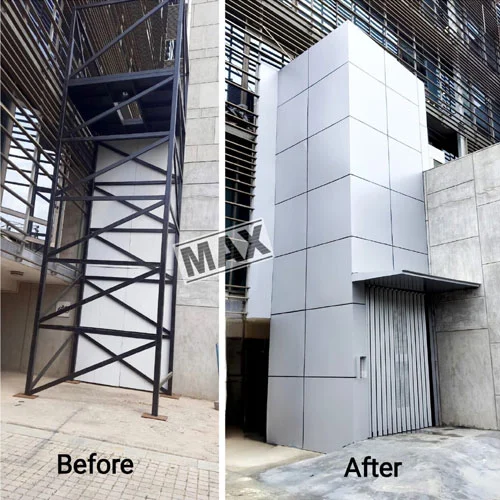
Installing in a live factory means working nights or weekends to avoid shutdowns. Max's crews phase the job: hoist the shaft first, then cab, aligning around your machines. They finish commissioning in under a week for most sites.
Take a recent auto parts warehouse in Faridabad. The team swapped an old lift without halting shifts, integrating it into the packing line overnight. Now, that client moves 200 tons daily with zero interruptions.
Lifecycle Support: Maintenance, Modernization, and Longevity
Annual contracts cover quarterly checks and 24-hour emergency calls. Technicians fix issues same-day in Faridabad, keeping your lifts running 99% of the time. This setup prevents small problems from snowballing into big stops.
For older units, modernization swaps out controls for digital ones without gutting the whole system. Add new sensors for better safety, extending life by 10 years. You save cash compared to a full buy, and it meets updated codes.
Planning Your Next Industrial Lift Project: Key Considerations
Starting a lift project? Get the details right early to avoid costly changes later. Max Elevators guides you through it, but you lead with solid prep.
Conducting a Thorough Site Audit and Load Analysis
Walk your facility first. Measure floor heights, door spots, and power sources—note if walls can take the load. Track peak loads: if you ship 100 pallets hourly, aim for lifts serving every 2 minutes.
List your needs: How many tons per trip? What door size for your carts? Industry norms suggest one lift per 50,000 sq ft in high-throughput warehouses. Share this data with suppliers for spot-on quotes.
- Map traffic flow: Where do goods enter and exit?
- Test current bottlenecks: Time waits now to set improvement goals.
- Consult load charts: Match against your max weights from inventory records.
Budgeting for Total Cost of Ownership (TCO)
Don't just eye the sticker price. Factor in energy bills—traction lifts use 20% less power than old models. Add maintenance fees, around 2-3% of cost yearly, and downtime hits at $500 per hour in lost output.
Quality pays over time. A Max lift lasts 20 years with proper care, versus 10 for cheap imports. Upfront spend of Rs 10-15 lakhs per ton capacity beats repair cycles that eat profits.
Securing Reliable Vertical Logistics with Max Elevators
Max Elevators stands out as the premier lift manufacturer in Faridabad for factories and warehouses, delivering safe, efficient systems that match your demands. From heavy-duty goods lifts to custom builds, they tackle load challenges, safety rules, and workflow tweaks head-on. Their local manufacturing, quick installs, and ongoing support ensure your operations stay smooth and productive.
Ready to upgrade? Contact Max Elevators today for a free site visit. They'll assess your needs and quote a solution that boosts your bottom line. Don't wait for the next breakdown—secure your vertical logistics now.










Q1. Who are the best lift manufacturers in Faridabad for factories and warehouses?
The best lift manufacturers in Faridabad are companies that provide durable industrial lifts, customized solutions, timely installation, safety compliance, and reliable after-sales support for factories and warehouses.
Q2. What types of lifts are used in factories and warehouses?
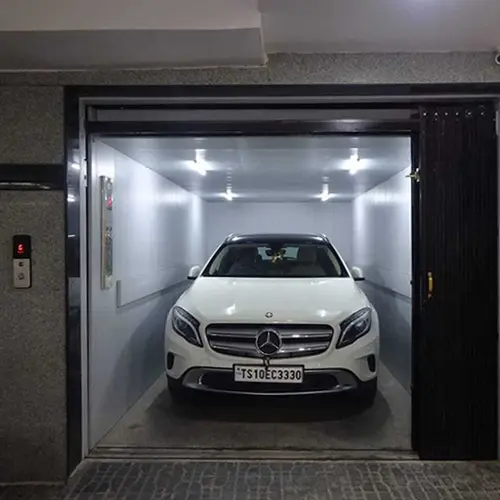
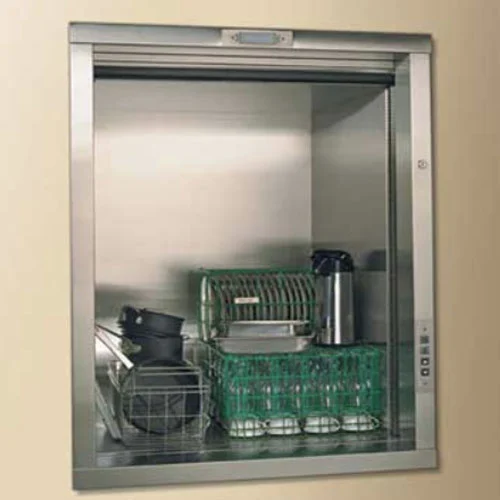
Factories and warehouses commonly use goods lifts, hydraulic lifts, freight elevators, cargo lifts, mezzanine floor lifts, scissor lifts, and material handling elevators.
Q3. What is the cost of an industrial goods lift in Faridabad?
The cost of an industrial goods lift depends on load capacity, lift height, platform size, number of floors, and customization requirements. Prices generally vary based on industrial applications and specifications.
Q4. Which lift is best for warehouse material handling?
Hydraulic goods lifts are considered one of the best options for warehouses because they can handle heavy loads safely and efficiently with low maintenance requirements.
Q5. What load capacities are available in industrial lifts?
Industrial lifts are available in various capacities ranging from 500 kg to 10 tons or more, depending on the factory or warehouse requirements.
Q6. How long does it take to install a warehouse lift?
Installation time generally depends on the lift type and project complexity. Most industrial lifts can be installed within a few days to several weeks.