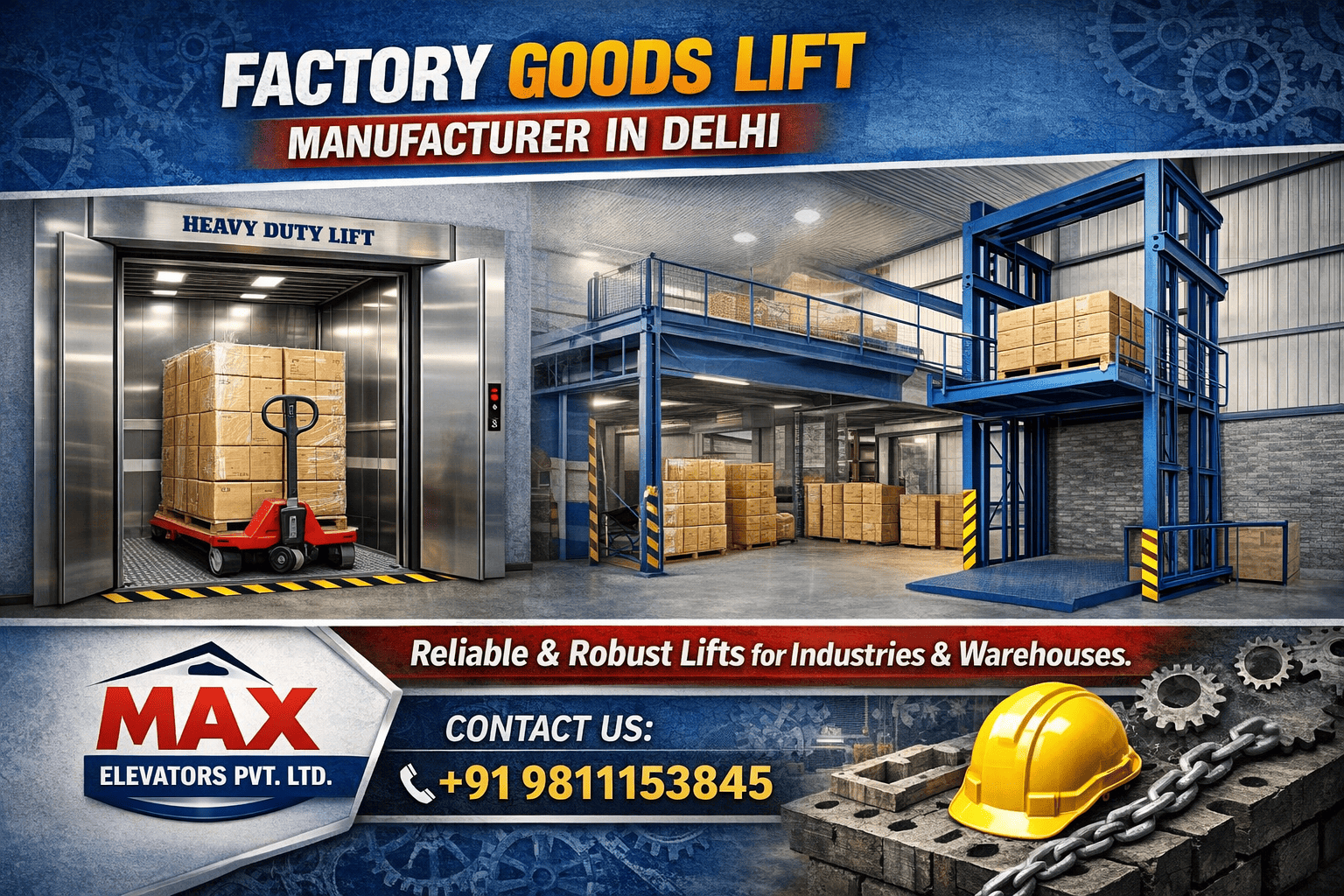
Your Trusted Lift Manufacturing Partner in Delhi NCR
In the busy streets of Delhi NCR, where high-rises touch the sky and offices buzz with activity, reliable elevators keep everything moving. You know the frustration—lifts that break down during rush hour, or old ones that feel unsafe in crowded buildings. Max Elevators Pvt. Ltd. steps in as your go-to fix, offering top-notch lifts built for this fast-growing area. They focus on safety first, smart designs, and quick service right here in the region.
The Foundation of Trust: Max Elevators’ Commitment to Quality and Safety
Max Elevators builds every lift with care, ensuring it meets the tough demands of daily use in Delhi NCR. Their team sticks to strict rules set by Indian standards, so you get peace of mind in every ride. This approach has earned them a spot as Delhi NCR’s trusted lift manufacturer for years.
State-of-the-Art Manufacturing Infrastructure
The factory hums with precision tools that shape lift parts to exact specs. Workers test each component under real-world stress, like the heavy loads in Noida malls. This setup cuts down on errors and speeds up production for local projects.
They source materials close by to keep costs low and delivery fast. Every hoistway and door gets a final check before leaving the plant. You end up with lifts that last longer in the heat and dust of NCR summers.
Compliance and Certification: Non-Negotiable Safety Protocols
Max Elevators holds ISO 9001 certification, proving their quality control is solid. They also follow BIS standards like IS 14665 for lift safety, going extra with features like backup brakes. In a place like Delhi, where power cuts happen often, these extras save the day.
Emergency stops and overload sensors come standard on all models. The company trains staff on these rules yearly to stay sharp. This means fewer accidents and more trust from builders and owners.
Redundancy keeps things running smooth—think dual cables and auto-rescue during blackouts. Clients in Gurugram high-rises sleep better knowing this.
Material Selection for Durability in High-Traffic Environments
Steel frames coated for rust resist the monsoon rains common in NCR. Cabins use lightweight composites that handle crowds without wear. Control panels feature sealed electronics to fight dust from construction sites nearby.
These choices cut repair needs by up to 30%, based on past installs. You save money over time in busy spots like metro-linked buildings. Tough materials mean lifts stay reliable year after year.
Innovation Tailored for the NCR Landscape
Delhi NCR mixes old charm with new towers, so lifts must fit both. Max Elevators tweaks designs for local needs, from tight heritage spaces to wide corporate lobbies. Their innovations make vertical travel smooth and green.
Energy Efficiency and Sustainable Lift Solutions
VVVF drives adjust power use, slashing bills in energy-hungry Delhi. Regenerative systems feed extra energy back to the grid during descents. This fits the rising power costs here—clients see 20-25% savings right away.
Low standby power keeps things eco-friendly for green-certified buildings. Solar tie-ins work well in sunny NCR spots. You get modern lifts that align with India’s push for sustainability.
Customization Capabilities: From Heritage Buildings to Modern Skyscrapers
Need a slow-speed lift for a Delhi colonial home? Max adjusts capacity and style to match. In Noida apartments, they boost speed for quick floors.
Aesthetic options include wood panels for luxury feels or glass for open views. Each project starts with a site visit to nail the fit. This flexibility serves everyone from small shops to big Gurugram offices.
Examples show lifts handling 1,000 rides daily without a hitch. Customization ensures no building feels out of place.
Smart Elevator Technology and Remote Monitoring
IoT sensors track wear in real time, spotting issues before they grow. Remote checks mean techs fix problems without a full visit. For busy NCR clients, this boosts uptime to 99%.
Apps let managers see traffic patterns and plan better. Predictive alerts cut breakdowns by half in test runs. You stay ahead in high-stakes spots like hospitals.
Integration with building systems adds ease, like syncing with fire alarms.
Comprehensive Service Ecosystem: Beyond Installation
Getting a lift is just the start—Max Elevators covers the whole journey. From setup to fixes, their local teams handle it all. This full support makes them stand out in Delhi NCR’s lift scene.
Rapid-Response Maintenance Contracts Across Delhi NCR
Service hubs in Delhi, Noida, and Gurugram promise fixes within four hours. Preventative checks every three months keep things running. Corrective work fixes urgent issues fast, minimizing downtime.
Contracts include 24/7 hotlines for emergencies. Local techs know NCR traffic patterns to arrive quick. Building owners report fewer surprises this way.
Modernization and Refurbishment Services for Older Lifts
Many NCR buildings have lifts from the ’90s—time for updates. Max swaps old controls for new ones, adding safety doors and LED lights. Upgrades pay back in two years through lower energy use.
Repair if the frame is sound; replace for major wear. Safety retrofits meet current codes without full teardowns. Managers in older Delhi complexes love the fresh performance.
One tip: Check ride smoothness yearly—if jerky, call for a check.
Training and Handover Protocols for Facility Management Teams
After install, teams get hands-on sessions on daily checks. Staff learn to spot odd noises or light issues early. Emergency drills cover power failures common here.
Handbooks and videos reinforce the training. This empowers your crew to handle basics. Long-term, it reduces call-outs and builds confidence.
Case Studies in Reliability: Max Elevators in Action
Real projects show how Max delivers in tough spots. These stories highlight their edge in Delhi NCR’s varied needs. Success builds on quality and quick service.
High-Rise Vertical Transportation Solutions (Corporate Sector Focus)
In a Gurugram park with 10 towers, Max installed 50 lifts for peak hours. They managed 2,000 daily trips per unit with gearless traction. Traffic flow stayed even, cutting wait times by 40%.
Custom software balanced loads across shafts. The setup handled growth as the park expanded. Corporate users praised the quiet, fast rides.
Accessible and Public Transport Integration (Infrastructure Focus)
For a Noida hospital link, lifts met universal access rules with wide doors and voice guides. High-duty cycles endured 500 stops a day. Braille buttons and low floors aided all users.
The project tied into metro flows for smooth transfers. No major stops in the first year. Public spots now feel safer and welcoming.
Client Testimonials and Long-Term Partnership Success
A Delhi mall owner said, “Max cut our energy bills and fixed issues overnight—true partners.” Another from Gurugram noted 15% lower costs over five years. Reliability tops their lists.
Long ties mean tailored plans that evolve with needs. Reduced expenses and steady service keep clients coming back. These wins prove the value in NCR.
Conclusion: Securing Your Vertical Future with Max Elevators
Max Elevators blends local know-how with strong builds and full support. They tackle Delhi NCR’s unique challenges head-on, from traffic jams to power dips. Choose them for lifts that work hard and last.
Key takeaways: First, their safety focus meets and beats standards for worry-free use. Second, smart innovations save energy and fit any building. Third, end-to-end service ensures quick fixes and training.
Ready to upgrade? Contact Max Elevators for a free site check or tech talk today. Your building deserves the best in vertical transport.

7 Pingbacks